Iran targets U.S. naval base radar with Shahed drone
A long-range Iranian Shahed-type one-way attack unmanned aerial vehicle struck a radar system at the United States-operated Naval Support Activity Bahrain, according to video footage circulating onlin
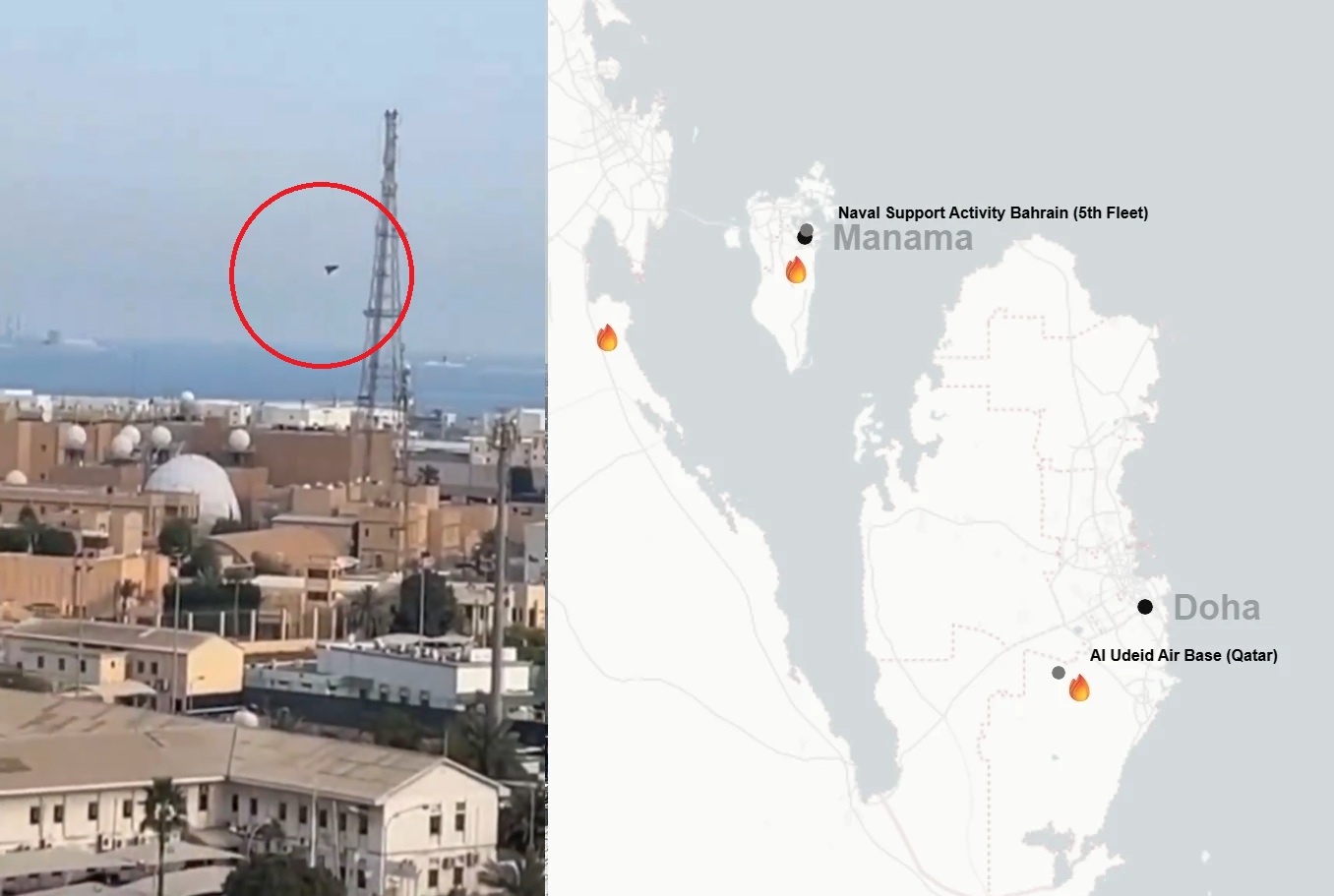
A long-range Iranian Shahed-type one-way attack unmanned aerial vehicle struck a radar system at the United States-operated Naval Support Activity Bahrain, according to video footage circulating online showing the moment of impact at the facility.
Video footage reviewed by regional observers shows a low-flying unmanned aerial vehicle approaching the base area before striking what appears to be a radar installation positioned within Naval Support Activity Bahrain. The facility serves as a critical logistics and operational hub supporting United States Navy activities in the region, including operations connected to the Fifth Fleet.
No official casualty figures were released in connection with the drone strike at the time of reporting. Earlier statements from U.S. officials indicated that prior attacks targeting facilities in Bahrain caused no casualties, though assessments of equipment damage remain ongoing.
Shahed-type systems are designed for long-range precision strikes using pre-programmed navigation routes. These unmanned aircraft operate as one-way attack platforms, meaning they are intended to detonate upon reaching the target rather than return for recovery.
The Shahed family of drones has been widely used in regional conflicts and the war in Ukraine by the Russian side due to its relatively low cost, extended range, and ability to fly at low altitude. Such flight profiles can complicate radar detection, particularly when combined with simultaneous missile launches that strain air defense systems.
Operationally, radar installations represent high-value targets because they provide tracking data used to detect incoming threats and coordinate defensive responses. Disrupting radar coverage, even temporarily, can reduce reaction time for interception systems and create gaps in situational awareness during periods of heightened alert.
The strike follows confirmed Iranian attacks across several Gulf states hosting United States military assets. Regional authorities previously reported missile launches targeting Bahrain, Kuwait, Qatar, and the United Arab Emirates, with multiple interceptions conducted by local air defense systems. Governments across the region have described the attacks as retaliation linked to earlier joint military action against Iranian targets.
Readers who wish to follow our weekly coverage can subscribe to the Weekly Defense Roundup.
If you wish to report a grammatical or factual error in this article, please let us know by using the online form.
Support Independent Defense Reporting